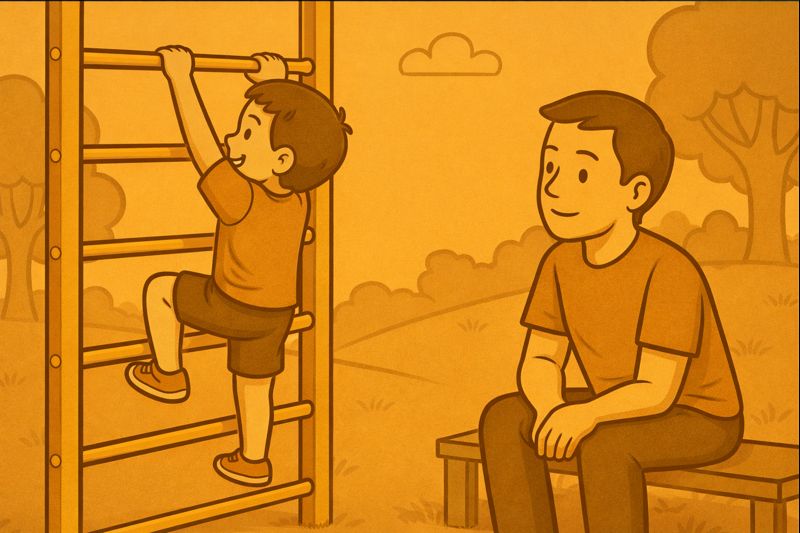
Climbing Frames and Child Development: A Guide for Parents
Climbing frames, beyond being just a pleasant pastime for children, provide numerous developmental benefits. This comprehensive guide will explore the linkages of climbing frames to child development, the inherent benefits and offer insightful suggestions for making it a part of your child's daily routine.
Introduction
When you see a climbing frame, your first thought is probably something along the lines of “great, a way to tire them out before bedtime.” And hey, you’re not wrong. But climbing frames are more than just energy burners or ways to keep your kid from climbing up the kitchen counter. They’re powerful tools that support all kinds of development—physical, cognitive, emotional—you name it.
In this guide, we’re diving into how and why climbing frames can be an essential part of your child’s growth. We’ll break down how they help build strength and coordination, boost problem-solving skills, encourage independence, and even support social skills (like learning how to take turns without a meltdown). Plus, we’ll help you choose the right one for your child and provide safety tips to keep playtime fun without unnecessary trips to urgent care.
So whether you’re looking to set up a mini jungle gym in your backyard or just gain a better understanding of how play translates into development, you’re in the right place. Let’s climb into it.
Understanding Child Development
Before diving into how climbing frames help, it’s worth stepping back and looking at what child development actually is. In simple terms, child development is the process through which kids grow physically, emotionally, cognitively, and socially. And here’s the kicker—it all happens pretty rapidly in those early years.
As parents, we’re not expected to micromanage every stage, but understanding the key areas can help us support our kids in more purposeful ways.
First, there’s physical development. That’s the one most parents are familiar with—crawling, walking, climbing, catching a ball. It includes both gross motor skills and fine motor skills.
Then there’s cognitive development, which is all about how kids think, learn, reason, and solve problems. It starts small—figuring out that pressing a button makes a toy light up—and eventually grows into building LEGO cities and asking "why" 300 times a day.
Emotional development is another big one. This includes everything from learning how to handle disappointment when it’s time to leave the playground, to figuring out how to express and manage emotions, build confidence, and develop empathy.
The important thing to remember? These areas don’t develop in isolation. They’re deeply connected, and that’s why holistic development matters. When kids climb, play, explore, and interact with others, they’re not just burning off energy—they’re building brains, bodies, and emotional smarts all at once. So when we talk about things like climbing frames, we’re really talking about tools that support the full picture of their development—not just a way to tire them out before bedtime (although, yeah, that helps too).
Climbing Frames and Physical Development
Let’s talk muscles, movement, and a whole lot of monkeying around. Climbing frames aren't just wild fun; they're doing legit work behind the scenes when it comes to your child's physical development.
First off, you're looking at a full-body mini gym for kids. Every time your child pulls up, swings across, or balances on a beam, they’re building gross motor skills—those big movements that involve muscles in the arms, legs, and torso. Think climbing ladders, swinging bars, and wobbling bridges. It’s all helping to strengthen their core, improve balance, and boost overall coordination. Plus, gripping, grabbing, and maneuvering around these structures promotes fine motor skills, too. Those small but mighty hand and finger muscles? They’re getting in on the action as well—key for everything from writing to buttoning shirts.
And don’t forget agility and endurance. Navigating a climbing frame challenges kids to react quickly, shift direction smoothly, and keep moving. It’s cardio disguised as adventure, and it helps build stamina one playful mission at a time.
Bottom line: climbing frames offer a fun, zero-pressure way for kids to stay active and build physical confidence—without needing a sports team or a set schedule. Whether it's backyard play or a park pit stop, letting them explore a climbing frame regularly is one of the easiest ways to support their physical growth.
Climbing Frames and Cognitive Development

Yes, climbing frames help kids burn off energy—but they’re also sneakily amazing for brain development. When your child climbs, hangs, balances, and figures out how to get from Point A to Point B, they’re doing real mental work. Think of it like a mini obstacle course for their brain.
For starters, climbing frames naturally encourage problem-solving. Kids have to assess where to place their hands and feet, plan a route, and sometimes even backtrack and try again. This type of “active thinking” builds decision-making skills and helps develop resilience when things don’t go as planned. That moment when your child pauses, considers whether to take the rope bridge or monkey bars? That’s spatial planning in action.
Spatial awareness is another biggie. Climbing helps kids understand where their bodies are in space, which is key for everything from tying shoes to navigating a crowded school hallway. It also ties into early math and science thinking: estimating distances, understanding balance, and even recognizing patterns as they follow repeat movements.
In simpler terms: climbing isn’t just climbing—it's brain exercise disguised as fun. So next time your child is figuring out how to get to the top of a climbing frame, know that their brain is climbing right along with them.
Climbing Frames and Emotional Development
When a child tackles a climbing frame, they’re wrapping their heads (and hands and feet) around new challenges. It’s that “I did it!” moment at the top that builds self-esteem—especially after a few slips or hesitant starts. They learn it’s okay to struggle, and more importantly, that they can push through and succeed. This kind of resilience doesn’t just stay on the playground; it starts to show up in school, at home, and in daily life.
There’s also a big emotional payoff in the social sphere. Climbing frames naturally encourage group play, which means figuring out things like turn-taking, teamwork, and even conflict resolution when two kids want the same spot to sit. These shared moments help children grow emotionally by building empathy and patience, and by teaching them to communicate their needs and respond to others.
Choosing a Climbing Frame: Factors to Consider
Alright, so you’re sold on the idea that climbing frames are great for your child’s development—but where do you even start when it comes to choosing the right one? With so many shapes, sizes, and features out there, it can be a bit overwhelming. Let’s break it down simply:
1. Safety First, Always
No matter how cool a climbing frame looks, safety is non-negotiable. Look for smooth finishes, rounded edges, sturdy construction, and non-toxic materials. If it’s for outdoor use, make sure it’s weather-resistant. Bonus points for climbing frames that come with safety certifications like ASTM or EN71.
2. Age-Appropriate Design
Choose something that matches your child’s current stage—not just in size, but ability. For toddlers, you’ll want low platforms and wide steps. For older kids, you can go for more ambitious designs with climbing walls, monkey bars, or rope nets that challenge their growing skills and energy levels. Too easy, and they’ll get bored. Too challenging, and it’s frustration (or injury) waiting to happen.
3. Physical Space
Before clicking “buy now,” measure your available space (indoor or backyard) and leave extra room around the frame for safety clearance and movement. Bigger isn’t always better if it makes your space feel cramped or cluttered.
4. Versatility and Play Value
Look for climbing frames that offer multiple activities—slides, swings, tunnels, balance beams. This not only keeps things exciting but also hits several developmental benefits in one go. And let’s face it—your kid’s attention span can be short, so variety wins.
5. Easy Maintenance and Longevity
Kids’ stuff takes a beating—especially if it lives outside. Think about how easy the frame is to clean, move or even pack away if needed. Adjustable designs that “grow” with your child can be worth the investment too.
Creating a Fun & Safe Setup
Once you’ve picked the right frame, make the play area inviting. Use soft ground materials like rubber mats or mulch underneath (no concrete, please). Add a few outdoor toys or set up a little shaded area where kids can take breaks, and you’re golden.
In the end, the right climbing frame is one that your child wants to use and that gives you peace of mind. Keep it safe, keep it fun—and maybe even climb on with them once in a while.
Conclusion: Safety Tips While Using Climbing Frames

First things first: check the frame. Whether it’s in your backyard or the neighborhood playground, do a quick inspection. Look for any loose bolts, sharp edges, or rusted parts. If it's made of wood, check for splinters or cracks. For metal frames, make sure there’s no overheating under the sun—yes, those bars can get toasty and surprise little hands.
Next up: ground cover matters. If it’s just grass or concrete beneath the climbing frame, that’s a red flag. You’ll want something like rubber mulch, sand, or safety mats to soften the blow from those inevitable falls. It doesn’t prevent every bruise, but it reduces the risk big time.
Now, about supervision—yes, even with older kids. Keeping an eye out doesn’t mean hover-parenting every step they take, but being nearby ensures quick response if something goes sideways. Plus, it gives you a chance to spot when your kid might be getting a little too adventurous (like trying a ninja move they saw on YouTube).
Also, match the climbing frame to the child’s age and ability. A toddler shouldn’t be swinging from monkey bars meant for school-aged kids. Most reputable brands have age guidelines—stick to 'em. And remind kids: one climber at a time on narrow parts. This helps reduce pushing, shoving, or accidental mid-air collisions.
Lastly, set some ground rules together. It’s not about killing the fun—it’s about keeping it going safely. Things like “always use two hands” or “wait your turn” teach kids responsibility while still letting them be, well, kids.
Bottom line? Climbing frames are awesome for burning energy and building skills, but a few basic safety habits can make sure the only thing your little one brings home is a happy memory—not a scraped knee.
