Neglect and Child Development: Unseen Scars and How to Heal Them
Neglect can be just as damaging - if not more so - to a child's development as physical abuse. This reality is often overlooked, as neglect leaves no visible scars yet has a profound impact on a child's emotional, cognitive, and social development. This guide aims to help parents and caregivers recognize and prevent neglect for the wellbeing of their children.
Introduction
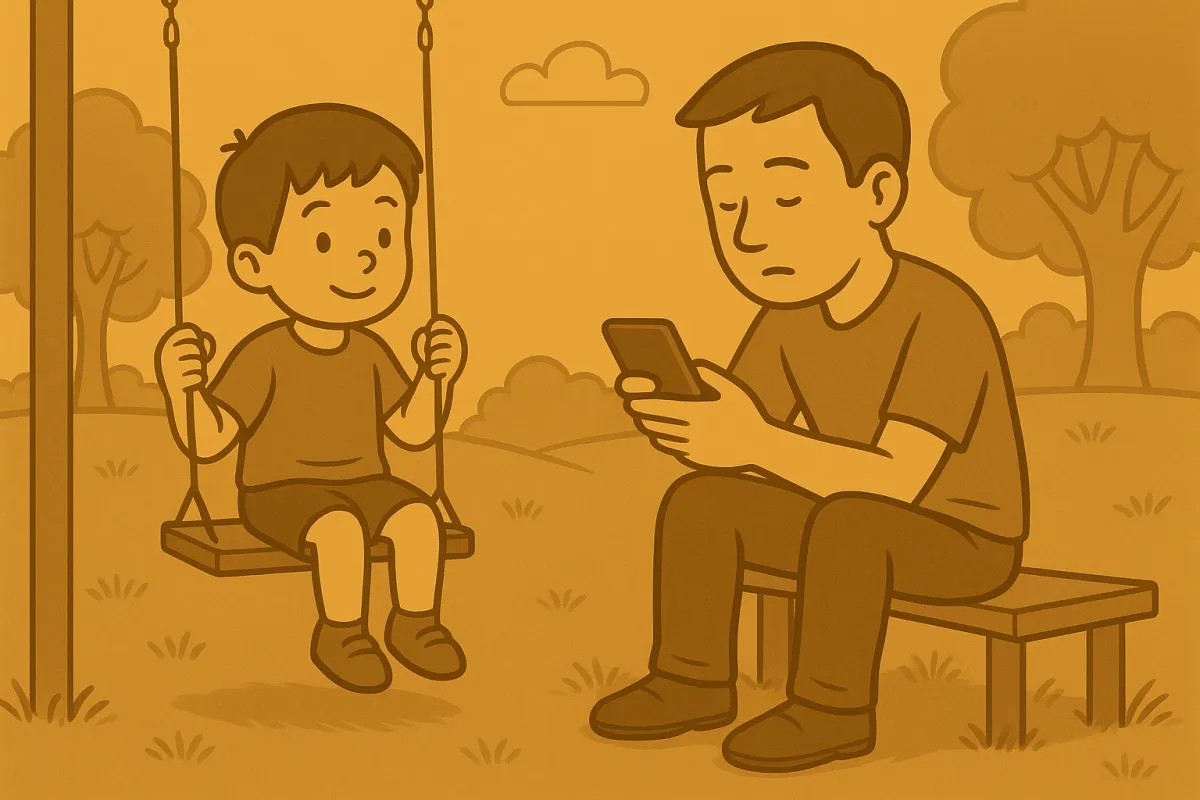
Let’s get real for a second—when we talk about child abuse, most of us picture bruises, broken bones, or other visible trauma. But what about what you don’t see? Neglect is one of the most damaging (and least talked about) forms of childhood adversity. No raised voices, no visible scars—just silence, absence, and unmet needs. And that quiet harm? It can shape a child for life.
Neglect happens when a caregiver fails to meet a child’s basic needs—not just food and shelter, but emotional support, medical care, education, and safety. It’s not always intentional, either. Sometimes it creeps in when parents are overwhelmed, unsupported, dealing with their own issues, or simply unaware. That’s scary, but it’s also something we can learn from and do better.
There are different types of neglect, and each one can take a toll. Physical neglect? That might look like a child consistently going without proper clothing, food, or a clean place to sleep. Educational neglect? Skipping school or not getting help with learning struggles. Emotional neglect? Maybe the adults in a child’s life are too preoccupied to notice when they’re sad, anxious, or simply need connection. Medical neglect? Ignoring a child’s health needs, whether it’s asthma, cavities, or therapy.
The truth is, neglect isn’t always malicious—but that doesn’t make it harmless. Kids need more than survival to thrive. They need connection, attention, and care. This article will dig into the many sides of neglect, its impact on development, and most importantly, how we can step up to recognize and heal it—for our kids, and ourselves.
Neglect and Its Forms
Neglect isn’t always obvious. A child doesn’t have to be left alone for hours or go unfed to be experiencing neglect. It can sneak in quietly—even in loving, busy households.
Understanding the different forms of neglect is essential to spotting it early—not just for your own children, but for any kids in your care or community.
Four Common Forms of Neglect
1. 🛏️ Physical Neglect
This is what many people first imagine when they think of neglect. It involves failing to meet a child’s basic physical needs.
Examples include:
Inadequate food or nutrition
No access to weather-appropriate clothing
Unsafe or unsupervised living conditions
Chronic lack of hygiene supplies or sleep routines
While it’s often unintentional, physical neglect takes a toll on a child’s development and sense of safety.
2. 📚 Educational Neglect
This form is less talked about but just as impactful. It occurs when a caregiver doesn’t support a child’s access to learning or school engagement.
What it might look like:
Skipping or missing school regularly without valid reason
Ignoring learning difficulties or not seeking special education support
Lack of basic learning encouragement at home
Children need consistency and structure to thrive academically. Falling behind does more than impact grades—it impacts confidence and future goals.
3. 💔 Emotional Neglect
Perhaps the most invisible—and yet the most haunting.
Emotional neglect happens when a caregiver consistently misses or dismisses a child’s emotional cues and needs.
Examples include:
Failing to acknowledge or validate big feelings
Minimizing emotions (“Stop crying, it’s not a big deal”)
Not offering comfort, support, or presence during stress
Repeatedly responding with emotional unavailability
Over time, this chips away at a child’s self-worth. They may begin to believe their emotions are wrong, too much, or irrelevant.
4. 🩺 Medical Neglect
Medical neglect involves not getting a child proper medical or mental health care when it’s needed.
It can show up as:
Skipping doctor’s appointments or needed follow-ups
Dismissing ongoing illness or injury
Avoiding treatment due to fear, denial, or misinformation
Ignoring mental health concerns like anxiety, depression, or trauma symptoms
Delayed care can snowball into more serious complications, affecting a child’s health and ability to function long-term.
What Parents Need to Know

Neglect isn’t always malicious or intentional. Sometimes, it’s the result of chronic stress, mental health struggles, or simply being in survival mode.
Still, the impact is real—and awareness is the first step toward breaking unintentional patterns.
✅ What You Can Do
Be curious about your child’s unmet needs, not defensive.
Build daily routines for connection, regulation, and support.
Ask for help. Connection-based parenting doesn’t mean doing it alone.
Check in with yourself regularly: Where am I stretched too thin? What’s one small shift I can make today?
The reminder is this: Small things—when consistent and intentional—help children feel seen, cared for, and emotionally safe. That’s how neglect is prevented, one moment at a time.
The Impact of Neglect on Child Development
What happens when kids don’t get the emotional, physical, or mental support they need. Neglect isn’t just forgetting a school lunch now and then. It’s the chronic absence of what a child needs to feel safe, supported, and seen. And sadly, the effects don’t disappear when they grow up.
First and foremost, emotional neglect can chip away at a child’s sense of self-worth. Kids who don’t feel heard or valued may internalize the idea that their feelings don’t matter. Over time, they stop expressing themselves or expecting connection from others. This can lead to long-term struggles with confidence, anxiety, depression, and forming healthy relationships.
Cognitively, neglect can slow down brain development. When a child’s environment lacks stimulation—like reading together, talking, asking questions, or even basic back-and-forth interaction—their language development and thinking skills suffer. This can lead to concentration issues, poor school performance, and even challenges with problem-solving as adults.
And socially? Neglect can mess with how a child connects with others. They might struggle to make friends, have difficulty understanding social cues, or shut down altogether in social situations. They may also lean toward unhealthy relationships later in life, simply because they’ve never seen what healthy support looks like.
Here’s the big takeaway: neglect doesn't have to be dramatic to be damaging. Small, repeated absences in care and attention shape how children see themselves and the world around them. But the good news is, awareness is step one. When we understand the deep impacts, we’re better equipped to show up—even in small, consistent ways that make a big difference.
Recognizing Signs of Neglect
Sometimes it’s hard to tell the difference between a rough patch and actual neglect.
Kids have bad days. They throw tantrums. They skip brushing their teeth (even after a hundred reminders). But when certain patterns start showing up consistently, it's time to take a closer look.
Behavioral Red Flags
Neglected children often communicate their unmet needs through behavior. Look for patterns like:
Withdrawal or extreme quietness
Aggression or frequent defiance
Difficulty focusing or low attention span
Low interest in play, learning, or exploration
Trouble making or keeping friends
Often, these aren’t simply “bad behaviors”—they’re signals. Children may be trying to tell us something isn’t right.
Physical Signs to Watch
Neglect isn’t always loud or dramatic—it can show up in small, persistent physical cues:
Consistently dirty clothes or unkempt appearance
Frequent body odor or poor hygiene
Untreated medical conditions
Noticeable weight loss or being underweight without medical explanation
These aren’t just signs of a busy morning—they may reflect ongoing unmet basic needs.
Emotional Indicators
Emotionally neglected kids may struggle with relationships and self-regulation. You might observe:
Difficulties trusting others
Avoiding eye contact or physical affection
Seeming emotionally “flat” or disconnected
Clinginess or attaching too quickly to adults
These emotional cues often reveal what words can’t—kids looking for safety in an uncertain world.
Social Struggles
Neglect can impact how children interact with others. Pay attention to:
Social isolation or withdrawal
Difficulty understanding personal boundaries
Trouble developing or maintaining age-appropriate friendships
These challenges can leave children feeling lonely, misunderstood, or unsafe—even in group settings.
What Matters Most: The Pattern
One missed dentist appointment isn’t neglect. But:
When a child’s physical, emotional, and psychological needs go consistently unmet, harm begins to set in. Recognizing the signs early allows us to step in with support, compassion, and resources. And that intervention? It could change everything.
How Neglect Shapes Child Brain Development
Chronic neglect often leads to an overactive stress response system, meaning the brain gets stuck in “survival mode.” These are the kids who startle easily, have trouble calming down, or seem emotionally distant — not because they’re “difficult,” but because their brains have adapted to a world where they didn’t feel safe or important.
Here’s where neuroplasticity comes into play — the good news. The brain can change. It can rewire. With consistent love, support, and the right environment, a child’s brain can start to heal and catch up. It takes time and patience, but it’s absolutely possible.
One of the lasting impacts of early neglect is difficulty forming healthy attachments. Kids may struggle to trust, connect, or understand how relationships work — or they might cling tightly to anyone who shows them attention. These attachment issues don’t magically disappear with age, either. They often show up later in friendships, romantic relationships, or even job performance.
So yes, neglect can carve deep grooves in a child’s brain. But with the right support, those grooves don’t have to define them. Rewiring is real — and it starts with showing up consistently and emotionally for our kids, whether we’re parents, caregivers, teachers, or village members.
Overcoming Neglect: Healing and Resilience
Here’s the good news—neglect doesn’t have to write the rest of a child’s story. Healing is possible, and kids are often far more resilient than we imagine. The key isn’t perfection, it’s presence. One of the most powerful tools in healing after neglect is consistent, caring adult relationships. Whether it's a parent, a grandparent, a teacher, or a mentor—when a child feels seen, heard, and safe with someone, the healing begins.
Therapy absolutely helps too, especially trauma-informed counseling geared toward children. Play therapy, art therapy, and cognitive behavioral therapy are just a few options that can help children process difficult experiences in a way that makes sense for their age and stage. These approaches don’t just focus on what’s been lost—they help kids build tools to manage emotions, trust others, and feel more in control of their world.
Healing from neglect takes time, but it happens. With understanding, patience, and a stable support system, kids can regain what felt lost and discover their power to thrive. You don’t have to be a perfect parent or caregiver to help a child heal—you just have to keep showing up.
Conclusion

Neglect might not leave bruises, but its impact cuts deep—and often lingers into adulthood.
Throughout this piece, we’ve explored how neglect can quietly influence:
Emotional development
Cognitive and academic abilities
Relationship patterns
Brain functioning over time
That’s heavy stuff. But here’s the hopeful truth: it’s not a life sentence.
Children are incredibly resilient—especially when even one caring adult consistently shows up.
Whether you’re a parent, caregiver, teacher, or community member, your presence matters more than you think. Here's how to start making an impact:
🧠 Stay present
Be emotionally available, even in small moments.❓ Ask questions
Get curious about what a child is feeling or trying to express.❤️ Show up consistently
Reliability creates safety—and safety lays the foundation for healing and growth.
