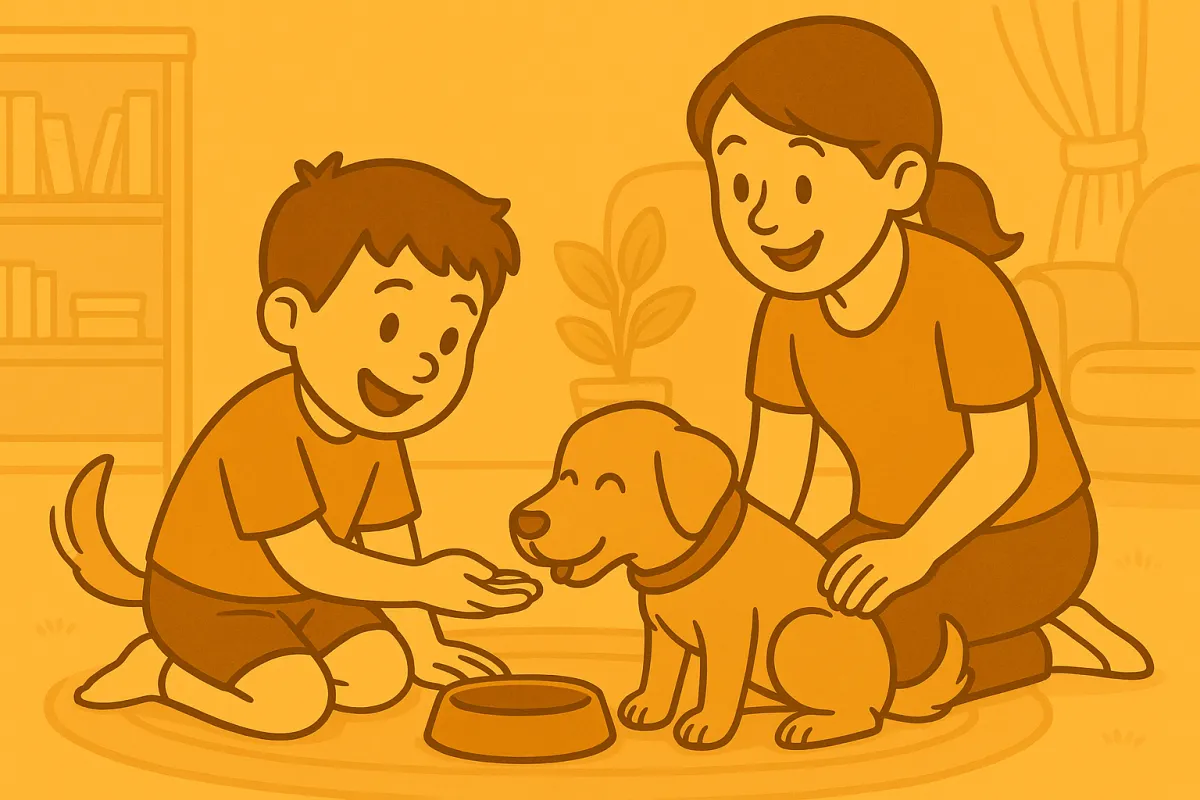
Understanding the Role of Pets in Child Development
Pets are a common sight in many households, bringing joy and companionship. But, they also play a significant role in child development.
Pets aren’t just furry (or scaly, or feathery) additions to the household — they can play a surprisingly powerful role in your child’s development.
Whether it’s a dog that helps your toddler burn off excess energy, a rabbit that teaches your tween about gentleness, or even a fish that prompts conversations about responsibility, animals can positively influence everything from emotional well-being to cognitive and social growth.
This comprehensive guide will help parents understand the benefits pets have on their child's emotional, social, and physical growth.
Why Pets Matter in Child Development
Here’s a quick overview of how pets can be more than just companions:
💛 Emotional Growth
Builds empathy: Caring for another living being helps children tune into emotions — both theirs and others’.
Boosts self-esteem: Feeling needed and capable supports a child’s confidence.
Provides comfort: Pets can be powerful sources of calm during anxiety, sadness, or major transitions.
🧠 Social & Cognitive Skills
Promotes responsibility: Feeding, cleaning, and caring offer consistent, age-appropriate routines.
Encourages communication: Kids often process emotions and develop verbal skills by talking to their pets.
Supports learning: Some studies link pet ownership with improved executive functioning and focus.
🏃 Physical Activity
Increases movement: Walking the dog, playing fetch, cleaning cages — it all adds up.
Reduces screen time: Kids often spend more time outside or playing creatively when pets are around.
Don’t Skip the Real Talk: Pet Ownership Has Challenges
It’s not all cuddles and cuteness. Owning a pet comes with:
Time and cost commitments
Training and behavior considerations
Illness and end-of-life conversations
Still, these moments — while hard — can spark some of the most meaningful growth in your child’s emotional resilience and life skills.
A pet can absolutely fuel connection, responsibility, and emotional strength — but it’s not a magic fix. The right pet, introduced with the right support, can become a trusted companion and guide as your child grows.
🐾 Thinking about bringing home a furry friend? Keep reading for our age-by-age guide to choosing a family pet — and setting everyone up for success.
The Significance of Pets in a Child's Life
For kids, a pet isn’t just an animal in the home.
It’s:
A companion
A teacher
A calm presence during emotional storms
Why Pets Matter for Emotional Development
Whether it’s a playful pup, a chilled-out cat, a squeaky little guinea pig, or even a fish that floats around judging everyone, pets can shape the way your child sees and interacts with the world.
They offer:
Consistency – Pets are reliably present, which nurtures a child’s sense of stability.
Connection – Daily interactions help children build empathy and trust.
Comfort – Animals provide calm, nonverbal support when words fall short.
Every family is different—and so is every pet. Luckily, connection doesn’t require a big commitment.
Small Pets, Simple Lessons
Smaller animals can introduce caregiving without overwhelming young kids:
Hamsters or gerbils – Great for short-term responsibility practice
Hermit crabs – Fascinating and low maintenance
Ant farms or bug habitats – Build curiosity with minimal upkeep
Bigger Pets, Bigger Interactions
Larger animals tend to bring more emotional and behavioral learning opportunities:
Dogs – Teach loyalty, routine, and clear boundaries
Cats – Foster patience and respect for independence
Birds or rabbits – Nurture gentle responsibility and attentiveness
When a Pet Isn’t an Option
Not every family can add an animal to the household—and that’s okay. Kids can still gain many of the same benefits through simple nature-based interactions:
Feeding backyard birds
Watching butterflies or bugs
Volunteering at a shelter
Reading stories about animals to spark connection
Exploring the Emotional Benefits of Pets in Child Development

From school pressure to social media overload, even our littlest ones can feel overwhelmed. That’s where pets come in, not just as furry friends, but as emotional anchors. It’s pretty incredible how a wagging tail or a soft purr can instantly change the mood in a room.
One of the biggest emotional boosts pets offer is comfort. Kids, especially those who struggle to open up or express their feelings, often find it way easier to connect with a pet. Animals don’t judge. They don’t interrupt. They’re just... there. And that presence can be unbelievably comforting. For a child who had a rough day at school or is processing big emotions like grief or anxiety, sitting quietly with a beloved pet can be grounding.
Now let’s talk empathy and responsibility. Taking care of another living being—feeding them, cleaning up after them, understanding their moods—teaches kids to think beyond themselves. It helps develop emotional intelligence in a way that flashcards and iPad games just can’t. Little by little, they learn how their actions affect someone else’s well-being. That’s the kind of real-life lesson that sticks.
We’ve heard so many stories about pets becoming unofficial therapy animals in families. One parent shared how their anxious 7-year-old found unexpected calm by reading aloud to their golden retriever every afternoon. Not only did it ease her nerves, it built confidence in the most low-pressure way possible. Another parent talked about their child, who had recently lost a grandparent, clinging to their pet rabbit for weeks—finding comfort in those quiet, shared moments.
Bottom line: Pets have a quiet way of showing up emotionally for kids—teaching empathy, offering comfort, and just being present when life feels a little too big. Whether it's a dog, a cat, or even a hamster, that bond can be deeply meaningful. So yes, there's a little extra fur on the couch, but the emotional benefits your kid gets in return? Totally worth it.
Physical Development and Pets
This point is one of the most underestimated perks of pet parenting: getting kids moving — and not just to clean up after a puppy’s accident (though yes, there’s plenty of that too).
When kids have pets, especially dogs, physical activity tends to increase naturally. Walks around the neighborhood, games of fetch, backyard adventures — it all begins to add up.
How Pets Encourage Movement
Even small daily responsibilities can promote both gross and fine motor development. Examples include:
Walking and playing with dogs in the yard or at the park
Feeding and grooming routines for cats, rabbits, guinea pigs, or reptiles
Cleaning cages, tanks, or litter boxes — yes, it counts!
Organizing pet supplies like food bins, leashes, and toys
These may seem like minor tasks, but they require coordination, consistency, and physical effort — all excellent for growing bodies.
The Bonus Benefit: A Stronger Immune System?
Here’s where it gets even more interesting.
Research shows that kids who grow up with pets — particularly dogs or farm animals — may have:
Stronger immune systems
Lower risk of developing allergies or asthma
Why? It likely comes down to the hygiene hypothesis — the idea that early exposure to a variety of microbes helps teach the immune system to differentiate between real threats and harmless substances like dust or pollen.
Put simply, pets help “dirty up” our overly sterile environments in a healthy way.
How Pets Influence a Child's Social Development
If you've ever seen a toddler talk to a dog like it's their best friend or a shy kid open up when showing off their hamster, you've already witnessed the magic pets can work on a child's social life. Animals aren't just playmates—they're secret social coaches in fur, fins, and feathers.
First off, pets are amazing icebreakers. A child walking a dog at the park is more likely to interact with other kids—or even adults—than one strolling solo. Pets can create shared interest and a reason for kids to start conversations, take turns, or collaborate (like setting up a fish tank together or building a guinea pig maze).
But perhaps the best thing about pets? They're judgment-free companions. For kids who struggle with confidence or have social anxiety, pets offer a safe space to talk, practice conversations, or just be themselves. That imaginary tea party with a cat in a tutu? That’s a kid rehearsing social roles and learning how to nurture.
Pets also teach core social values like patience, kindness, and respect for boundaries—because, let's face it, even the friendliest bunny still needs space sometimes. And when children learn to read animals' body language, they often become more in tune with their human peers too.
At the end of the day, pets aren’t a cure-all for social challenges, but they’re a huge help. They offer kids a consistent companion who listens without interrupting, loves without conditions, and makes even the shyest child feel a little less alone.
Using a Pet to Enhance Cognitive Development in Kids
While pets aren’t handing out flashcards or quizzing your kid on math facts, they offer low-key, everyday opportunities to boost cognitive development in a way that’s fun, engaging, and totally natural.
First off, simple routines like feeding a dog or cleaning a hamster’s cage helps kids develop planning and time management skills. These tasks might seem small, but they train young brains to think ahead and follow steps—two skills that totally translate to school and, well, life.
Pets also encourage curiosity (hello science time). Your kid asking why fish breathe underwater or why a lizard needs a heat lamp? That’s a jumping-off point for learning. Grab a book or check out a quick video together. It’s an easy gateway into research, critical thinking, and understanding cause and effect—big wins for cognitive growth.
Even playtime matters. Naming a pet, designing obstacle courses, or making up stories about what the cat does while you’re at school? That’s creative thinking in action. Pets spark imagination, which is a huge part of how kids learn to problem-solve and process the world.
Want to take it up a notch? Try these parent-approved ideas:
Create a pet journal: Kids can log feeding times, habits they observe, or funny moments. It’s subtle writing and observation skill-building.
Do a “pet of the week” poster: Include facts about the animal’s breed, needs, and personality. Add some drawings or photos for bonus points.
Use pet care to build independence: Let older kids read simple care guides or watch how-to videos about grooming or training. Let them take partial lead (under supervision, of course).
The real key? Let kids be hands-on and ask questions. Pets open doors to natural learning, without the pressure of tests or grades. It’s cognitive development that doesn’t feel like homework—and that’s a total parenting win.
Conclusion

At the end of the day, pets can be so much more than just furry (or scaly or feathery) members of the family—they can be low-key developmental superheroes. From teaching empathy and responsibility to boosting confidence, reducing stress, and even supporting physical health, the impact they can have on your child’s emotional, physical, social, and cognitive growth is seriously impressive.
Of course, pet ownership isn’t a magical fix-all or the right fit for every family. It takes commitment, planning, and a lot of clean-up duty. But if you’re considering bringing a pet into the mix, know that—done right—it could be one of the most enriching experiences your child has growing up.
So whether you’re eyeing a rescue pup, a chill goldfish, or even a trio of guinea pigs, it’s worth thinking about how that pet might end up shaping more than just your daily routine—it might shape your kid, too.
